

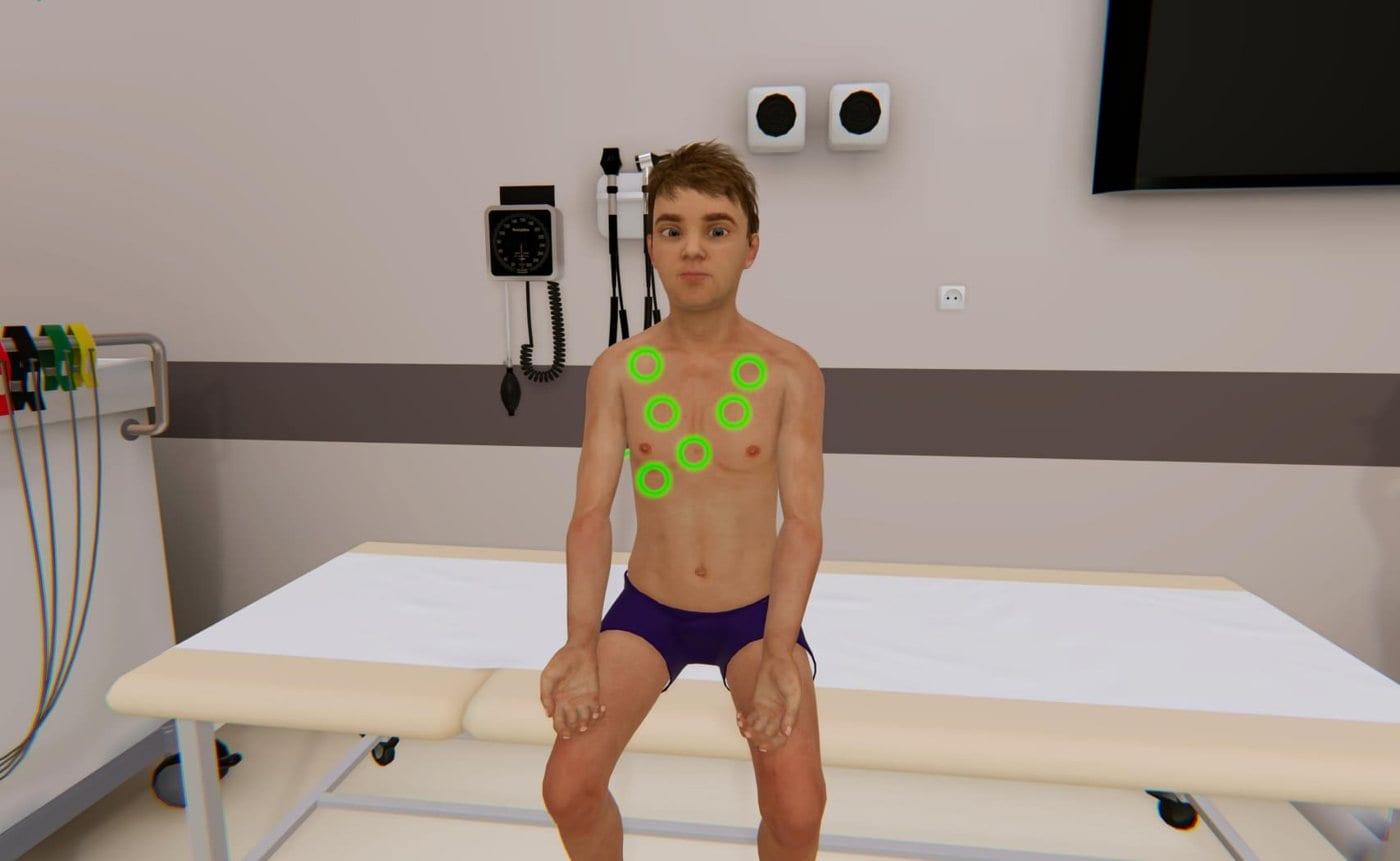
Clinical reasoning with virtual patients
Learners work through diagnostic cases: the patient's complaints, medical history, laboratory results and images. Educators pick the scenarios that match the subject they teach.
Virtual patients for real clinical skills. Learners practise reasoning, procedures and emergency care in VR and on any device; educators see the results in the reports.
500+interactive medical cases
60+virtual patients
15+medical specialties
Pick a mode and see the screen the learner works in. The same clinical case serves guided practice, practice with feedback and a graded exam.
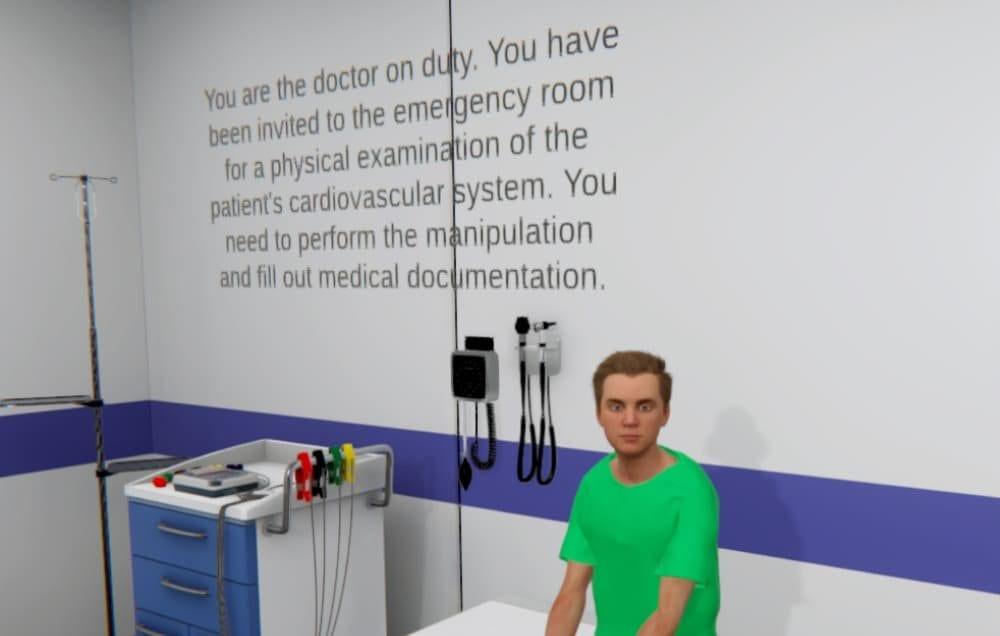
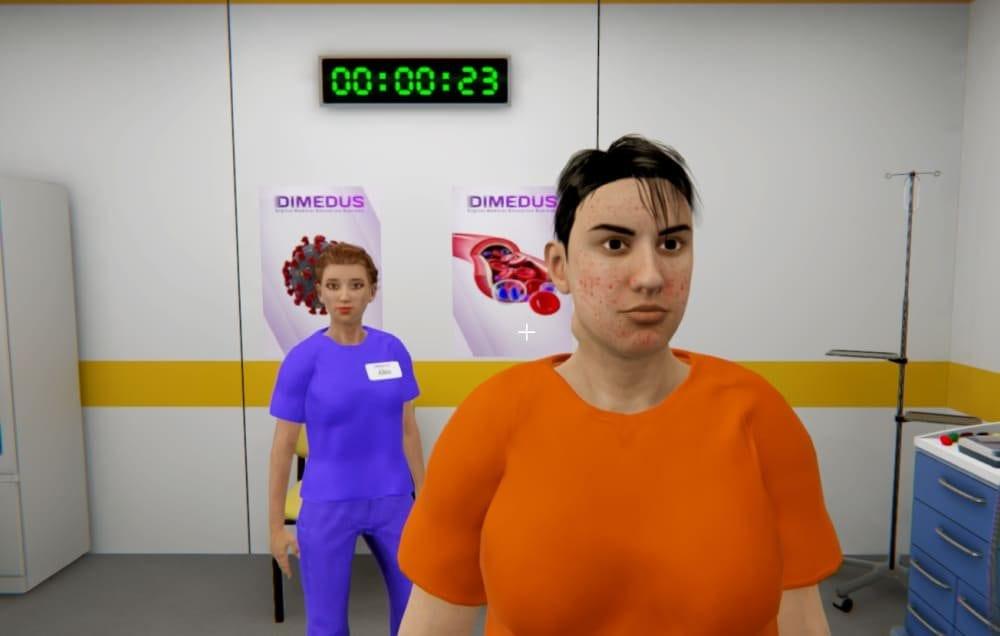
A virtual assistant guides the learner step by step through the clinical case.
Three families of scenarios, from the diagnosis to the operating room.
Learners work through diagnostic cases: the patient's complaints, medical history, laboratory results and images. Educators pick the scenarios that match the subject they teach.
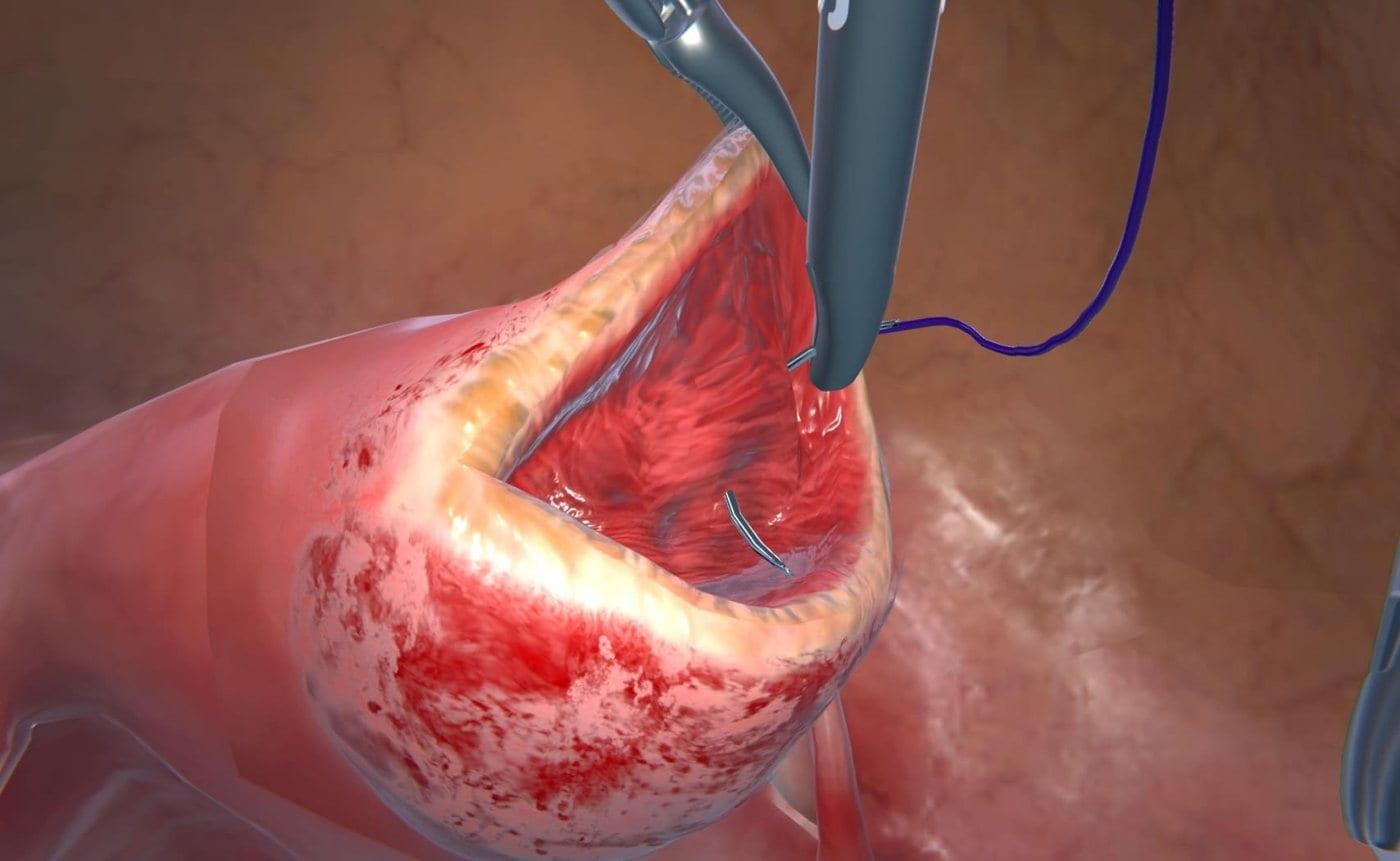
Scenarios for medical manipulations and surgical interventions, including common laparoscopic operations, let learners rehearse the sequence of actions in a simulated setting.
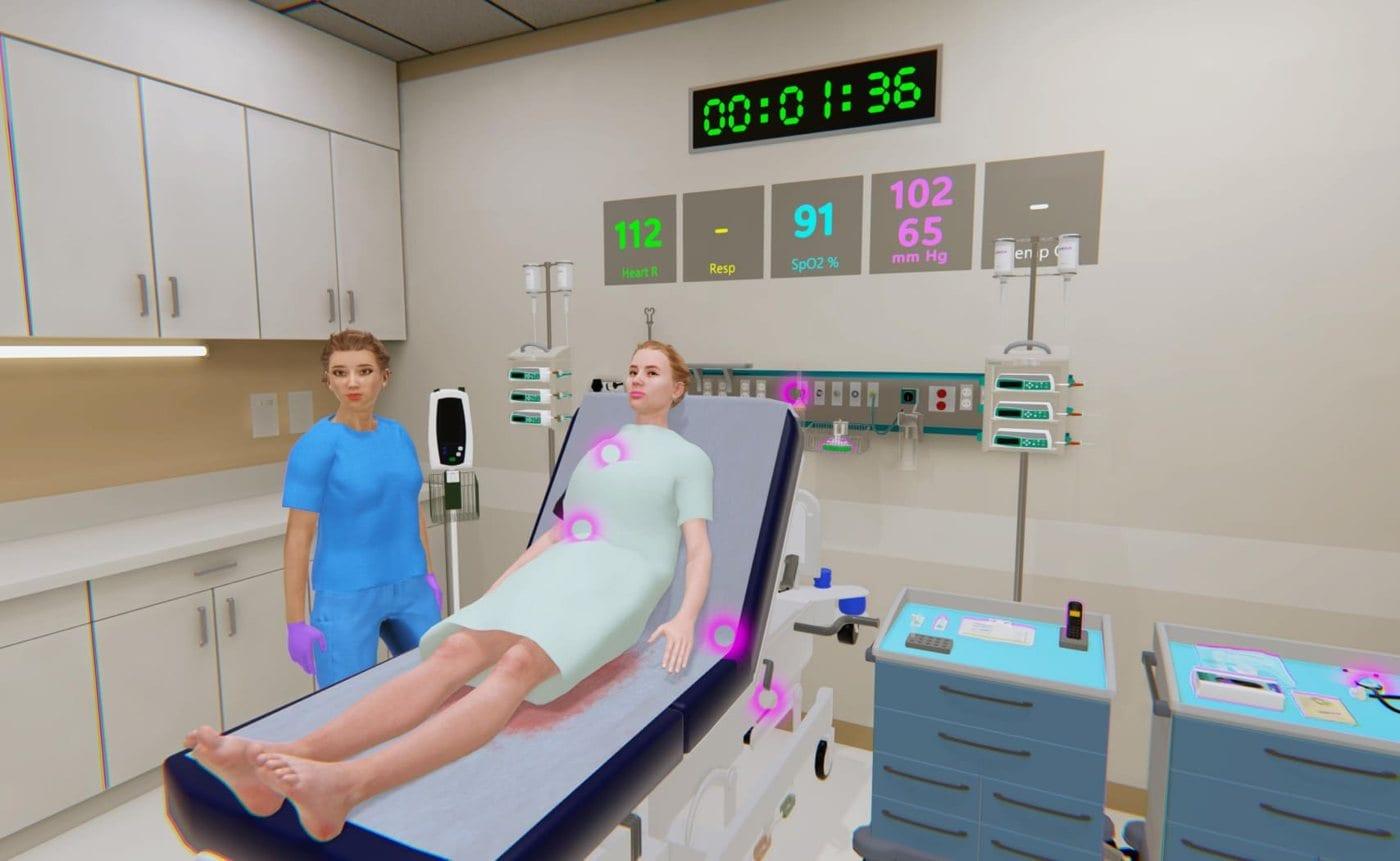
Structured assessment with the ABCDE approach and CPR practice. In multiplayer VR, participants communicate and carry out parallel actions as one team.
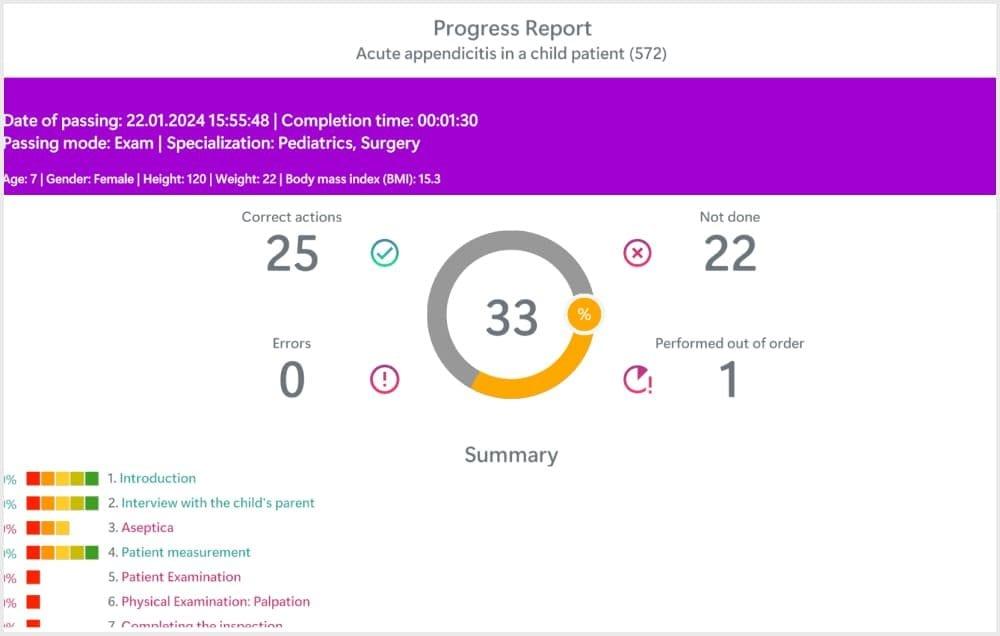
When a case or lesson is finished, DIMEDUS builds a report: the correct actions, the errors and the time it took. It is saved in the learner's own account.
Educators get statistics across learners: performance, engagement and progress, to adjust the teaching and to see who needs attention.
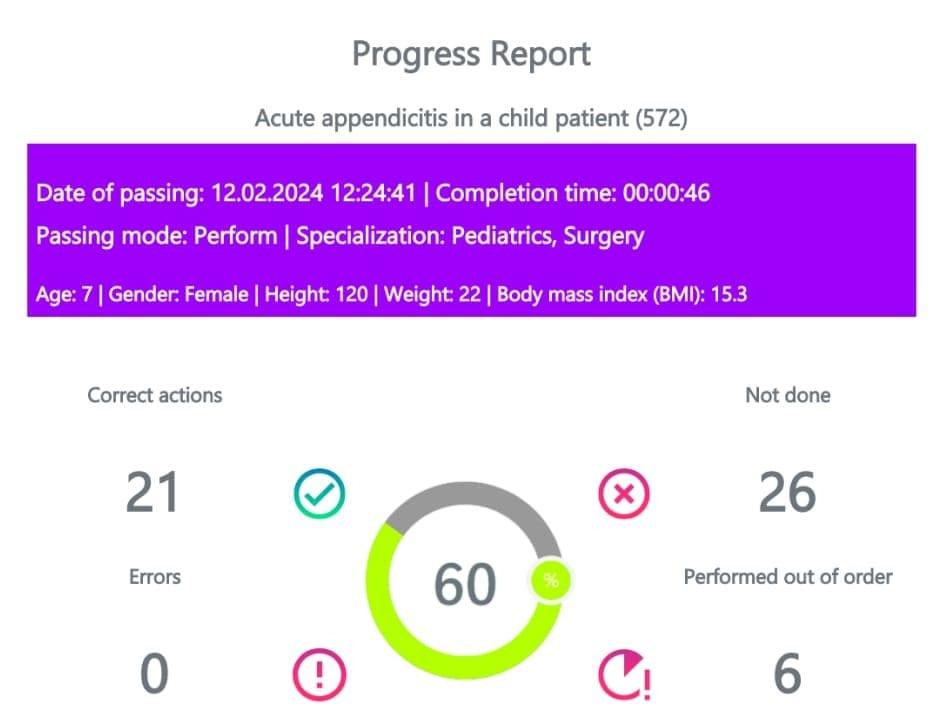
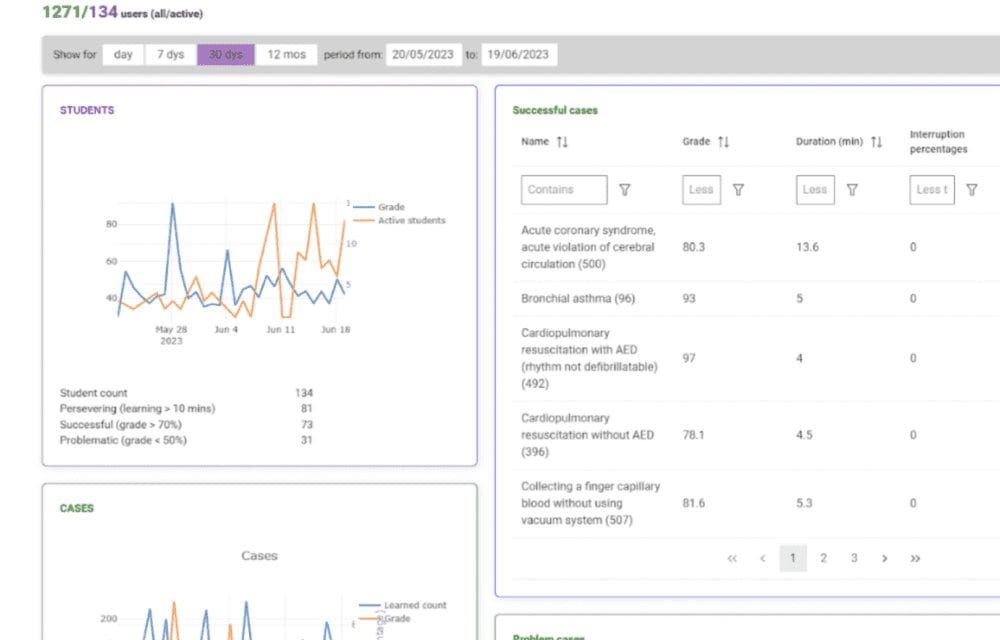
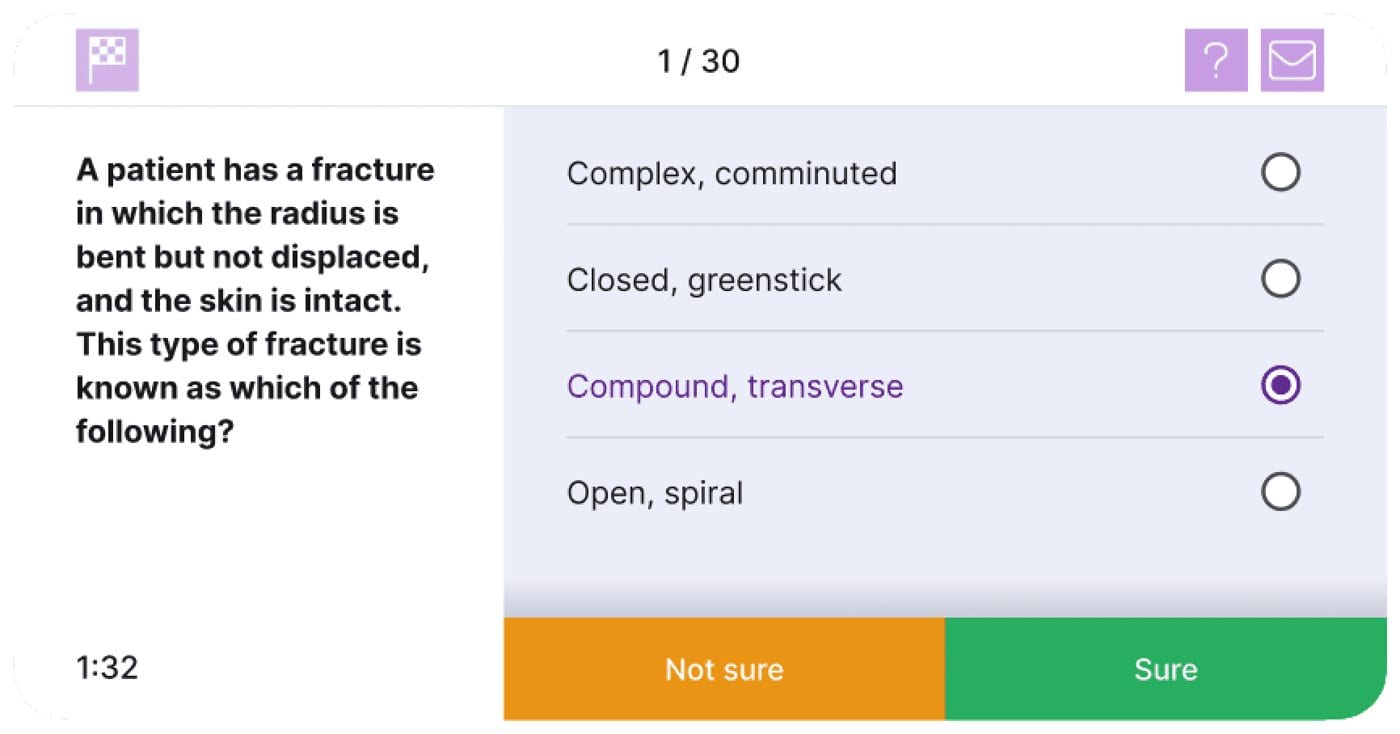
Between cases, the training simulator quizzes learners with active recall and spaced repetition from cognitive science.
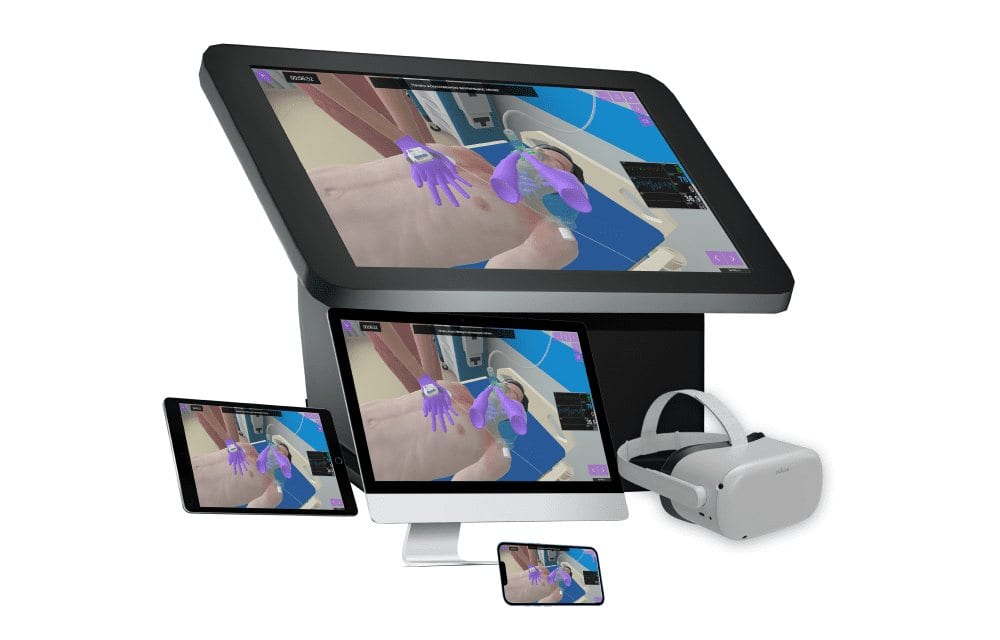
Log in on a phone, a tablet, a laptop or a classroom screen and continue where you stopped, in the lecture hall or on the move.
From the first message to a trained faculty, the group takes the enquiry.
Tell us about your institution and what you want to teach.
Review and sign the agreement and contract terms.
You get the software and can see your learners' statistics.
Hardware is supplied, faculty and administrators are trained, support continues.
Request a demo or ask about a licence. Tell us your institution, intended learners and training needs. Distributors can use the partnership enquiry to describe their company and market.