
News
What the group is building
Notes from the companies of the VARDIX group — what shipped, what it took, and what it changed for the people using it.
 The lab arrives on a visit. What is left for the weeks in between?For distributors who sell into schools: when science is funded as a programme of counted hours and a travelling lab, the ordinary weekly lesson stays with the school, and that lesson is where a classroom product fits.Read the full material
 The manual said isolate first. Nobody taught it to the operatorFor distributors selling training into industrial plants: a court has just treated a safety step that existed only on paper as a training failure, and the course worth offering is the one built from the plant’s own machine manual.Read the full material
 Signed on trust: the page a trial patient actually goes back toFor trial sponsors, research teams and the people who sell to them: the decision happens in the conversation with the physician, and the material that helps afterwards is short, practical and visual. That is a different brief from a longer form.Read the full material
 Who keeps the virtual practical running when the software gets old?For partners selling science software to schools: a virtual practical is only as dependable as the team paid to maintain it, so continuity of support is the first thing to sell and the first question a buyer will ask.Read the full material
 The fault the plant rarely shows: an oil operator's VR programme, machine by machineFor partners selling training into heavy industry: virtual reality earns its place where the failure to practise is rare and the machine is the customer's own, so the first conversation is about the equipment list and who writes the troubleshooting steps, not about headsets.Read the full material
 The book is on the desk: what an open-book pathology exam asks students to practiseWe think an open-book pathology exam moves student preparation from memorising towards recognising pathological change, and that a tool for practising recognition gives distributors selling to medical faculties a concrete reason to call. Students in a new Korean study said pre-exam guidance was insufficient.
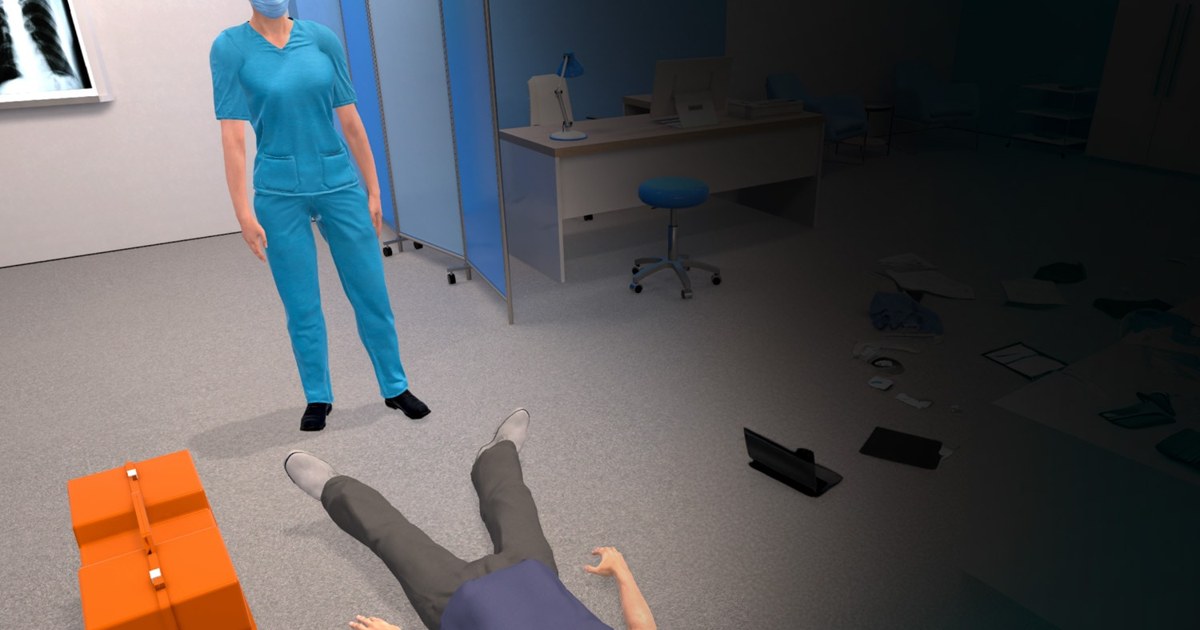 Offered, never assigned: what a half-used virtual patient tells a medical facultyFor faculties buying simulation and the distributors who sell it: in a peer-reviewed Amsterdam study, almost half of the first-year students offered an optional virtual patient never held a conversation of more than ten questions with it. The question to settle before a purchase is whether the course will assign the tool, see who used it and give feedback.
 Could you explain the answer a week later? What UK pension trustees are now asked about AIFor partners selling AI projects to regulated buyers: when a model's answer can change from one run to the next, the account of what it was based on exists only if the system wrote it down at the time, so the record belongs in the first release rather than in a later audit project.
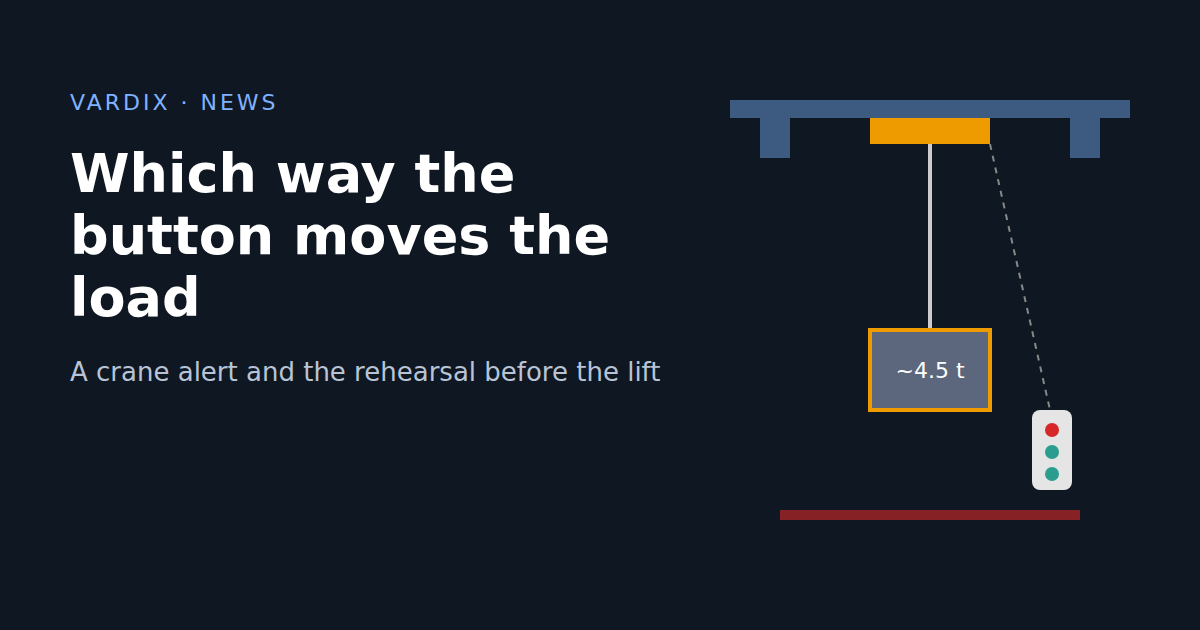 Which way the button moves the load: a crane alert and the rehearsal before the liftFor partners selling safety training to plants with overhead cranes: the hazards that hurt people during a lift belong to one bay and one pendant, so a rehearsal is worth building only from that site, and it sits on top of the site’s own controls.
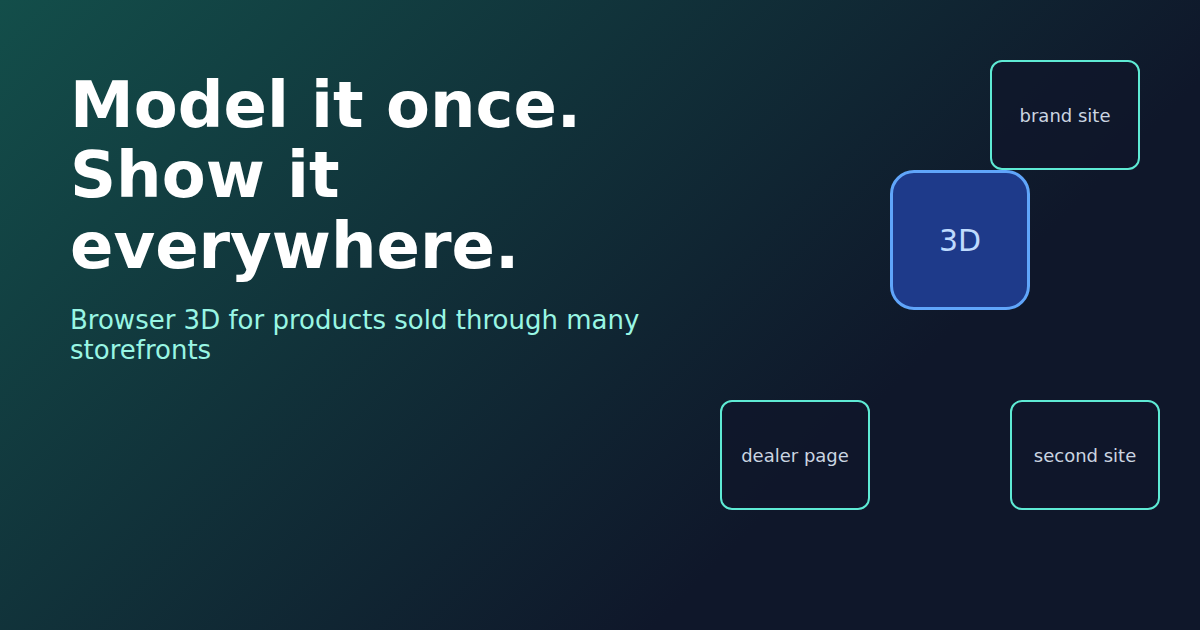 The chair that has to look the same on every site: where browser 3D actually gets hardA browser configurator is only as reliable as the single model behind it. For distributors and dealers who sell a manufacturer's range online, the first question is where the finishes and options are kept, not which viewer to buy.
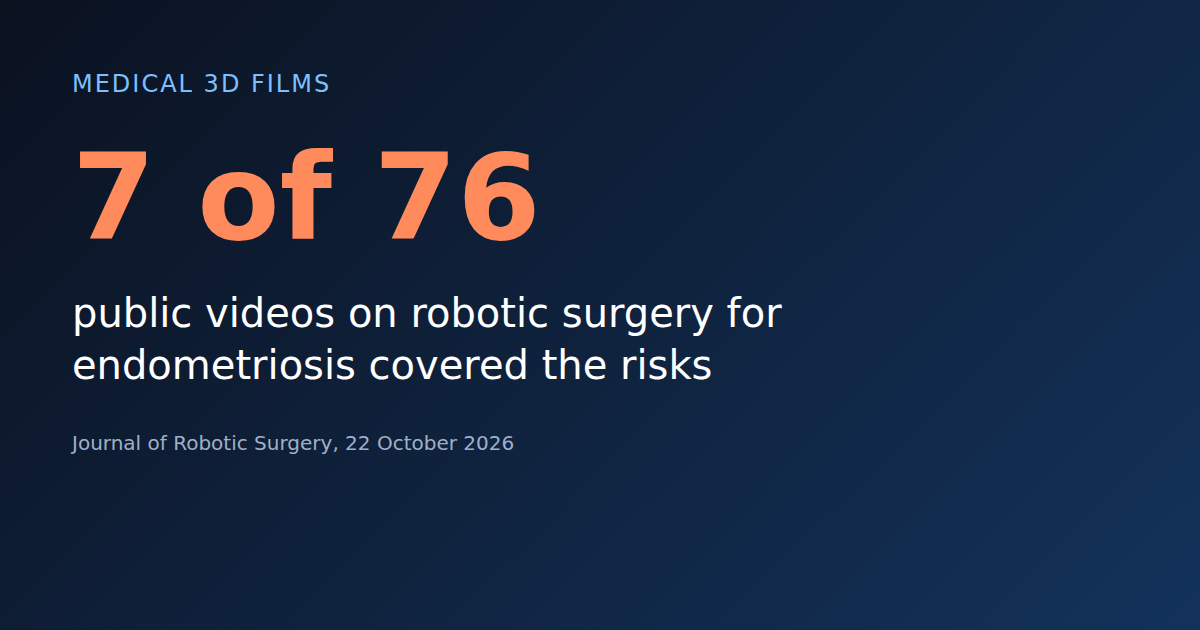 Seven of seventy-six named the risks: what a patient film owes the decisionFor distributors selling to surgical departments and device makers: in public video about robotic surgery for endometriosis the disease comes up most often and the patient's choice least, and a film the clinic commissions can be scripted the other way round.
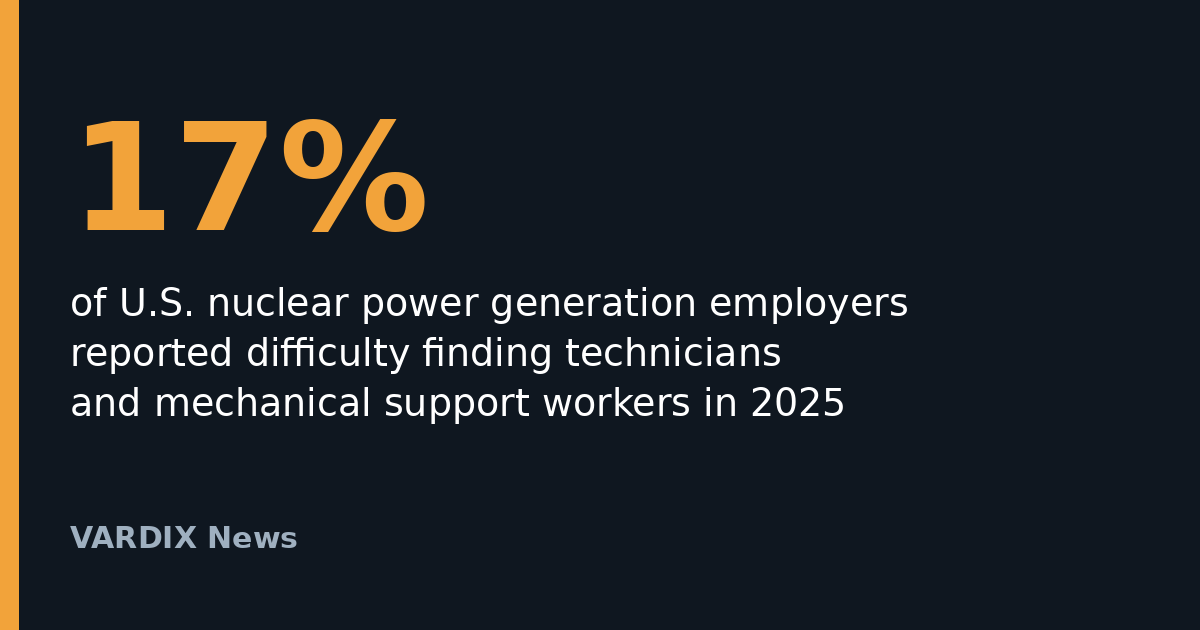 Hired before the plant can teach them: the technician gap at U.S. nuclear stationsFor distributors selling into power and heavy industry: a scarce technician still has to learn equipment the plant will not open for a lesson, and that second gap is where training on a 3D model earns its place.